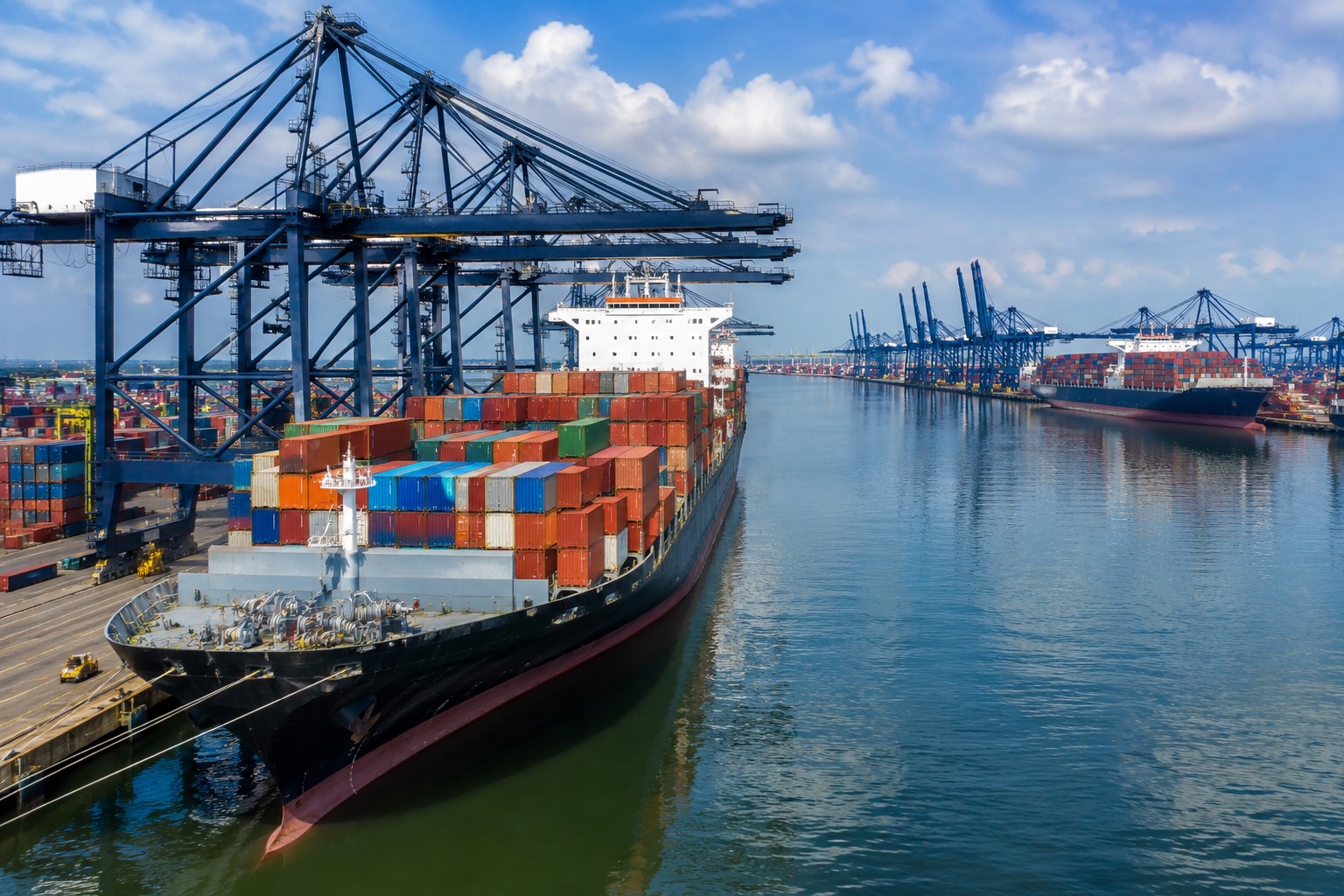
Global shipping costs have climbed to their highest levels in nearly four years as retailers and importers race to secure inventory before a potential new round of U.S. tariffs takes effect. The sharp increase in freight rates is adding fresh pressure to global supply chains and could eventually lead to higher prices for consumers.
Industry experts say businesses are placing wholesale orders earlier than usual for products ranging from holiday decorations and electronics to home furniture and household goods. The strategy is aimed at avoiding additional import costs if new tariffs are introduced later this month.
According to shipping analysts, the surge in demand has created an early peak shipping season, pushing container freight prices sharply higher across major international trade routes.
The increase in shipping costs has also been influenced by higher fuel expenses linked to disruptions in global energy markets. Rising fuel prices have added to transportation costs, which are expected to be passed on to shipping companies, importers, and eventually consumers.
Recent market data shows that global container shipping rates have increased significantly over the past month, reaching their highest levels since the supply chain disruptions experienced during the COVID-19 pandemic. Freight rates on routes connecting East Asia with North America's West Coast have risen even more dramatically as demand continues to grow.
Trade uncertainty remains another major factor behind the rush in orders. Businesses are closely monitoring the possibility of additional U.S. tariffs on dozens of countries, as well as ongoing discussions surrounding North American trade arrangements. Many importers are choosing to stock up now rather than risk paying higher duties later.
Logistics experts say companies are prioritizing supply chain stability, even if it means paying higher freight costs in the short term. Retailers hope that securing inventory early will help avoid delays and reduce the financial impact of future trade policy changes.
Economists warn that if elevated shipping costs persist, businesses may eventually pass those expenses on to consumers through higher retail prices. While supply chains remain operational, continued uncertainty over tariffs, fuel prices, and international trade policies could keep freight costs elevated in the months ahead.



Comments (0)
Sign in to join the conversation.