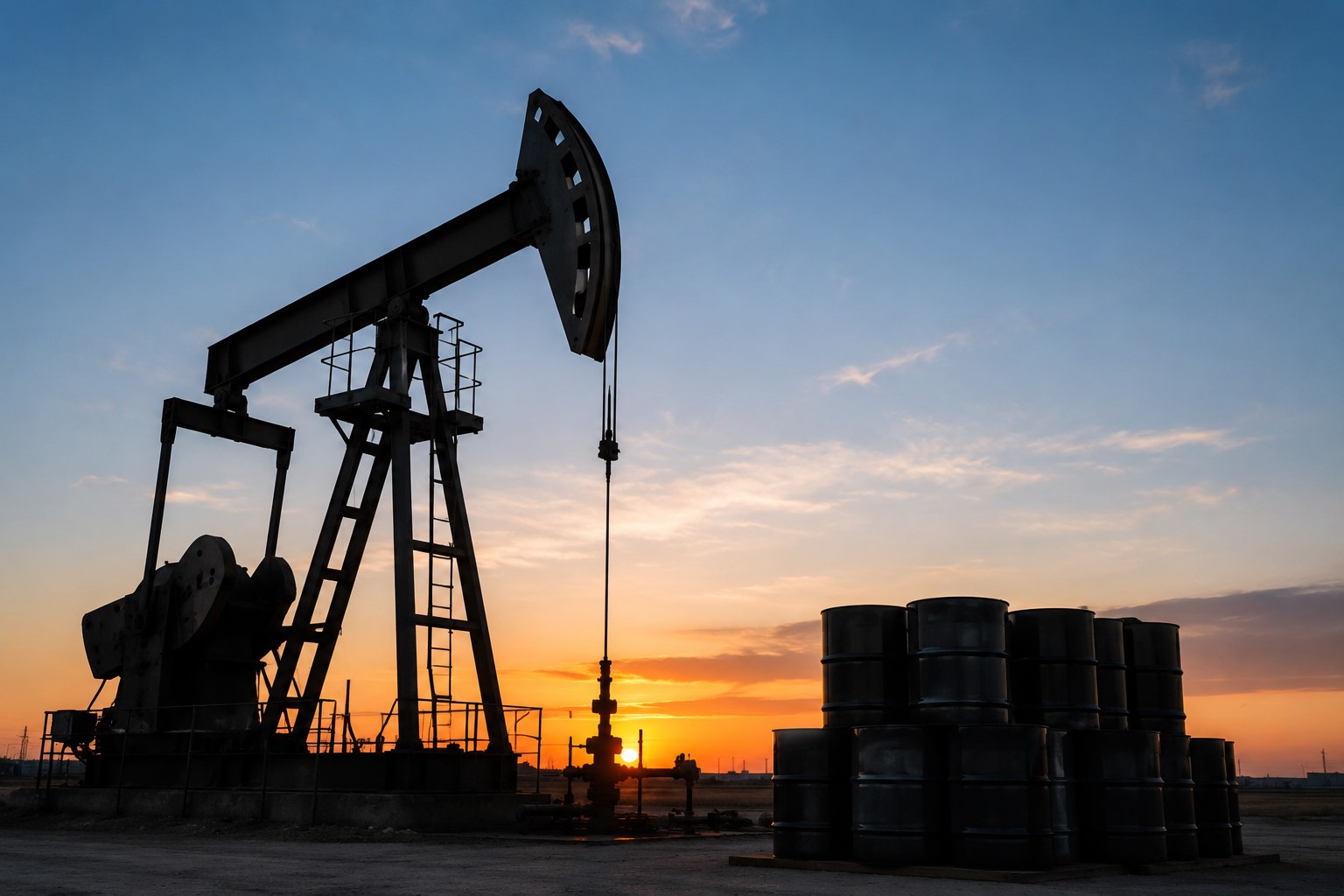
Federal officials have acknowledged that no concrete policies have been introduced to fulfill an earlier commitment to release 23.6 million barrels of oil, raising fresh questions about the government's energy strategy and the future of domestic fuel supply.
The admission comes amid continued public concern over energy prices, fuel security, and inflation, with critics arguing that the delay has left consumers and businesses without the expected relief. While the commitment was intended to strengthen supply and stabilize markets, officials confirmed that no formal steps have yet been taken to implement the plan.
Government representatives stated that energy policy remains under review and that any future release of oil would depend on market conditions, supply levels, and broader economic considerations. However, no timeline has been provided for when—or if—the promised release will occur.
Energy analysts say that strategic oil releases are typically used to address supply disruptions, respond to geopolitical tensions, or help ease sharp increases in fuel prices. Without a clear implementation strategy, uncertainty remains over how the government intends to meet its previous commitment.
Industry experts note that oil markets are influenced by a wide range of factors, including global production, refining capacity, international conflicts, and seasonal demand. As a result, the impact of releasing additional oil would depend on prevailing market conditions at the time of any future action.
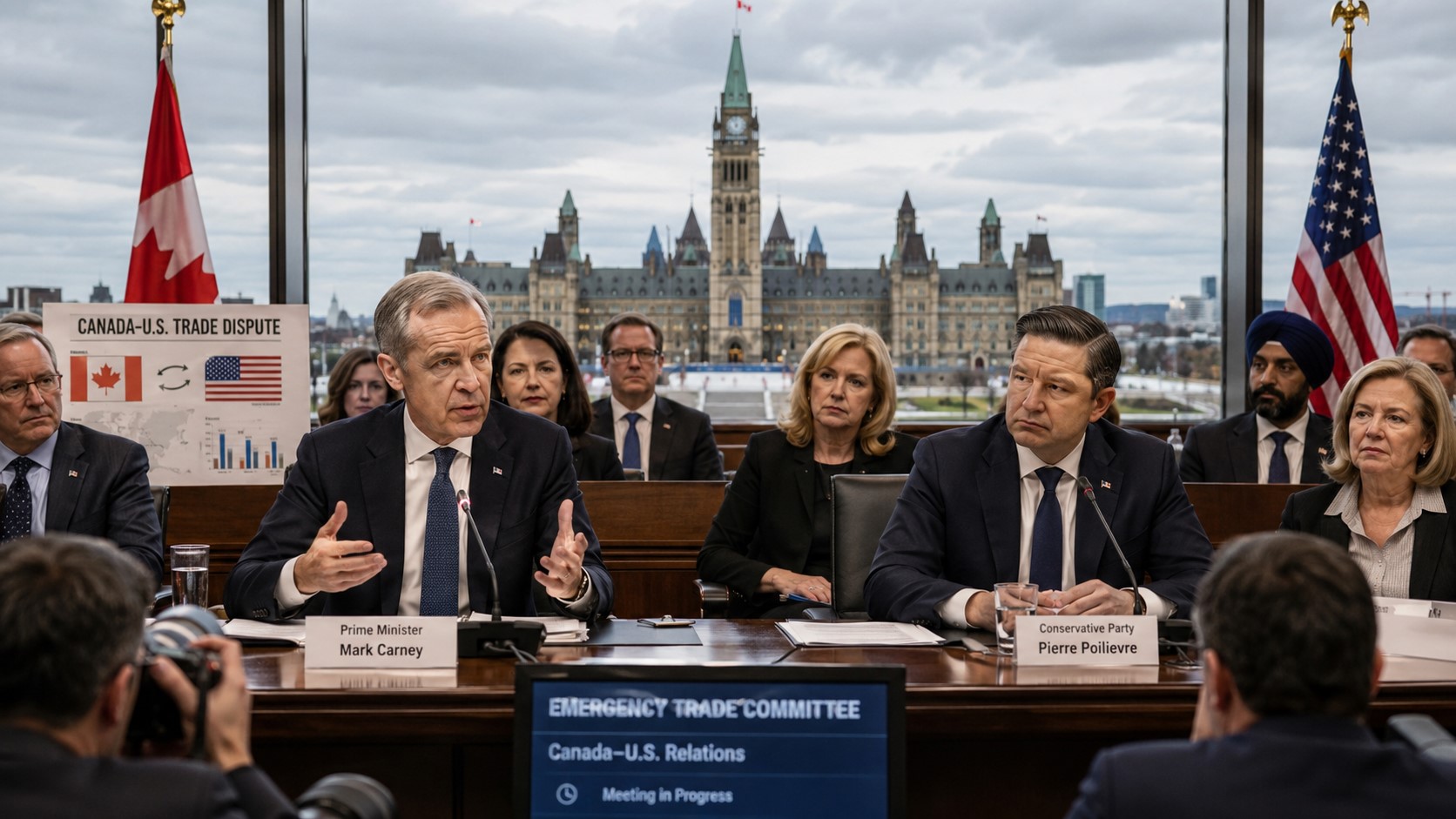
Opposition lawmakers and consumer groups have called for greater transparency, urging the government to explain why no policies have been enacted and whether the commitment remains part of its long-term energy agenda. They argue that clear communication is essential for maintaining public confidence in national energy planning.
Supporters of the government's approach contend that delaying action may be appropriate if market conditions do not justify a strategic release, emphasizing the need to balance energy security with responsible management of national reserves.
With fuel prices and energy affordability continuing to be major economic concerns, policymakers are expected to face increasing pressure to clarify their plans and provide greater certainty about the country's energy policy.
Comments (0)
Sign in to join the conversation.