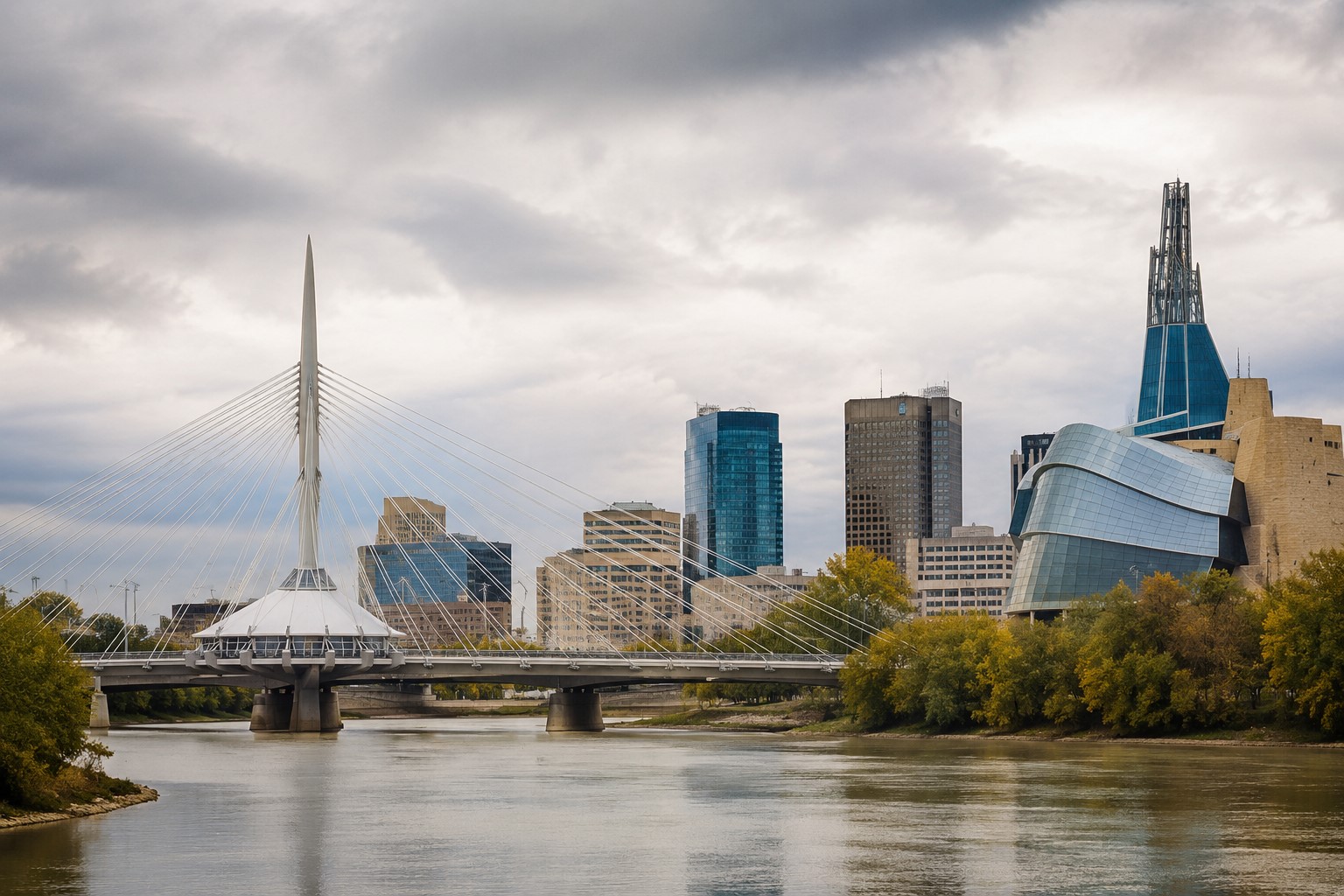
A new public opinion survey suggests many Winnipeg residents believe life in the city has worsened over the past four years, with concerns about crime, homelessness, affordability, and public safety dominating voter sentiment ahead of this fall’s municipal election.
According to a Free Press-Probe Research poll released Tuesday, nearly two-thirds of respondents said Winnipeg's overall quality of life has declined since 2022. Only 15 percent reported seeing improvements, while 17 percent felt conditions had remained unchanged.
The survey also indicates limited enthusiasm for Mayor Scott Gillingham’s re-election bid. Just one in five respondents said they would like to see Gillingham remain in office, while nearly half expressed a preference for a new mayor. More than one-third of those surveyed remain undecided.
Researchers say the findings highlight growing frustration among residents, particularly regarding issues that affect daily life. Crime, violence, poverty, homelessness, substance abuse, and the rising cost of living were identified as the city's most pressing challenges. Concerns about infrastructure, healthcare access, and affordable housing also ranked high.
Despite dissatisfaction with current conditions, the poll revealed a broader sense of pessimism about local government’s ability to deliver significant change. Fewer than 10 percent of respondents said they believe the next mayor and city council will be able to make major improvements on key issues.
Mayor Gillingham acknowledged residents’ frustrations, noting that many of the concerns raised in the survey reflect challenges facing cities across Canada. He pointed to ongoing efforts to improve public safety, increase housing development, and invest in infrastructure as part of his administration’s priorities.
Political observers note that voter confidence remains low as Winnipeg prepares for the October 28 municipal election. Several councillors said the results were not surprising, citing growing concerns about public disorder, visible homelessness, and economic pressures affecting residents.
Community advocates have also warned that public apathy and declining trust in government could contribute to lower voter turnout. They argue that stronger action and clearer communication from city leaders will be needed to rebuild confidence and encourage civic engagement.
With multiple candidates already registered for the mayoral race, the upcoming election is expected to focus heavily on public safety, affordability, housing, and the city’s long-term direction.
Comments (0)
Sign in to join the conversation.