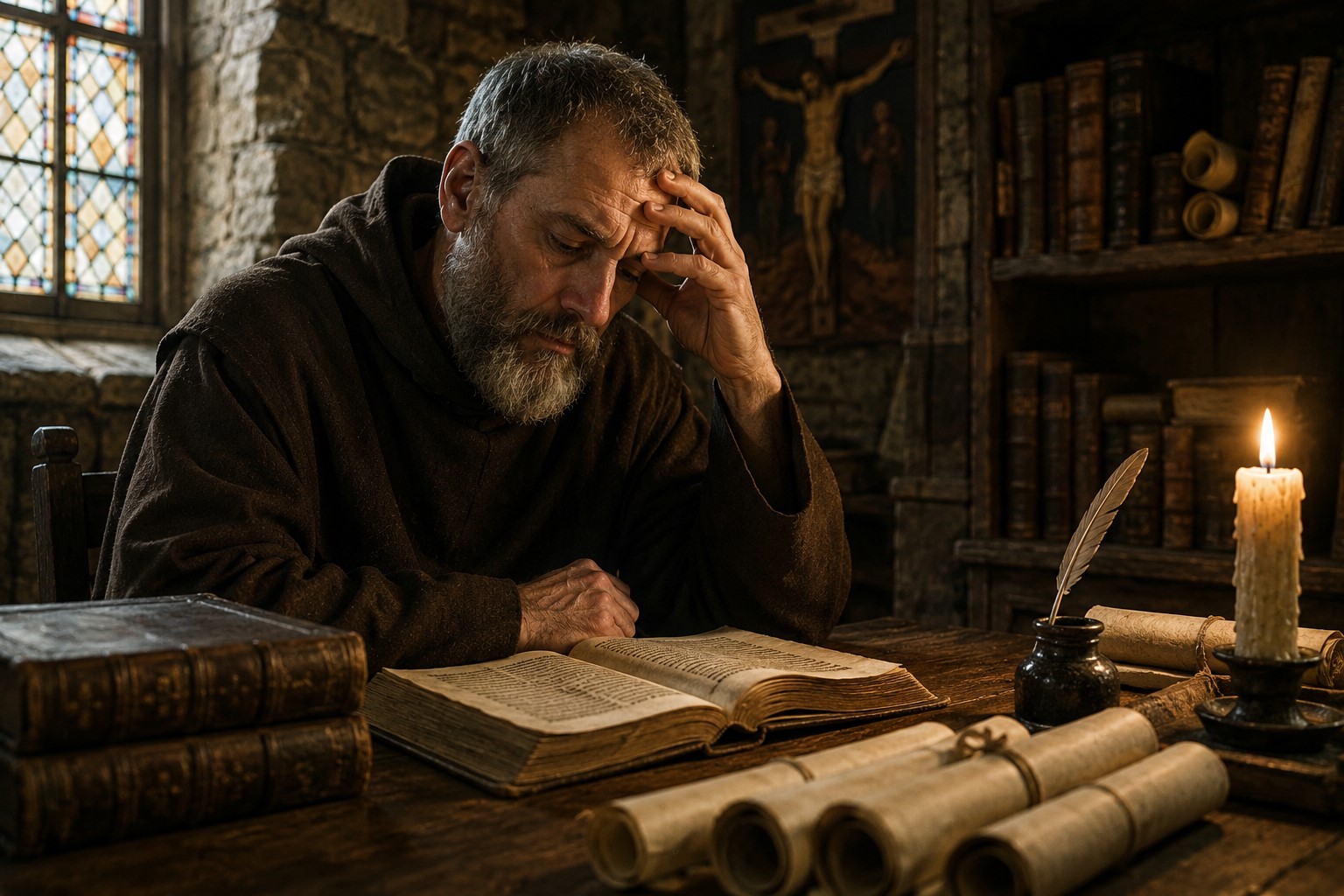
Burnout, stress, and emotional exhaustion are often seen as modern problems, but historians say people have struggled with similar challenges for centuries. A growing body of research suggests that the Middle Ages offer surprisingly relevant lessons on resilience, mental well-being, and recovering from periods of emotional fatigue.
Historian Peter Jones, author of Self-Help from the Middle Ages: A Journey into the Medieval Mind, argues that medieval thinkers recognized many of the same symptoms associated with modern burnout, including persistent exhaustion, hopelessness, difficulty concentrating, and a loss of motivation. Early Christian writer John Cassian documented these experiences as far back as the 5th century, describing feelings that closely resemble today's understanding of mental fatigue.
One of the central medieval concepts was "acedia," often translated as sloth but understood more broadly as emotional emptiness, spiritual exhaustion, and a loss of purpose. Rather than viewing it as simple laziness, medieval scholars treated acedia as a condition that required compassion, reflection, and guidance.
Jones draws parallels between medieval approaches and modern psychological practices. Instead of encouraging people to suppress difficult emotions, medieval writers advised accepting periods of struggle while remaining connected to meaningful goals, supportive relationships, and personal values. They believed emotional hardships were a natural part of life rather than personal failures.
The book also highlights how medieval "therapist priests" used conversation, reflection, and practical advice to help people navigate emotional distress. Their methods share similarities with modern therapeutic approaches such as Acceptance and Commitment Therapy (ACT), which encourages individuals to acknowledge their emotions without letting them control their lives.
Another recurring lesson from medieval philosophy is the importance of self-compassion. Writers such as Bernard of Clairvaux reminded people that setbacks and moments of uncertainty are inevitable, comparing life to running across rough terrain where everyone eventually stumbles. The message was not to seek perfection but to continue moving forward despite temporary difficulties.
Experts believe these historical perspectives remain relevant today, particularly as burnout continues to affect professionals, students, and caregivers worldwide. While modern mental health care relies on scientific research and clinical treatment, the timeless emphasis on purpose, resilience, self-forgiveness, and human connection continues to resonate across generations.



Comments (0)
Sign in to join the conversation.