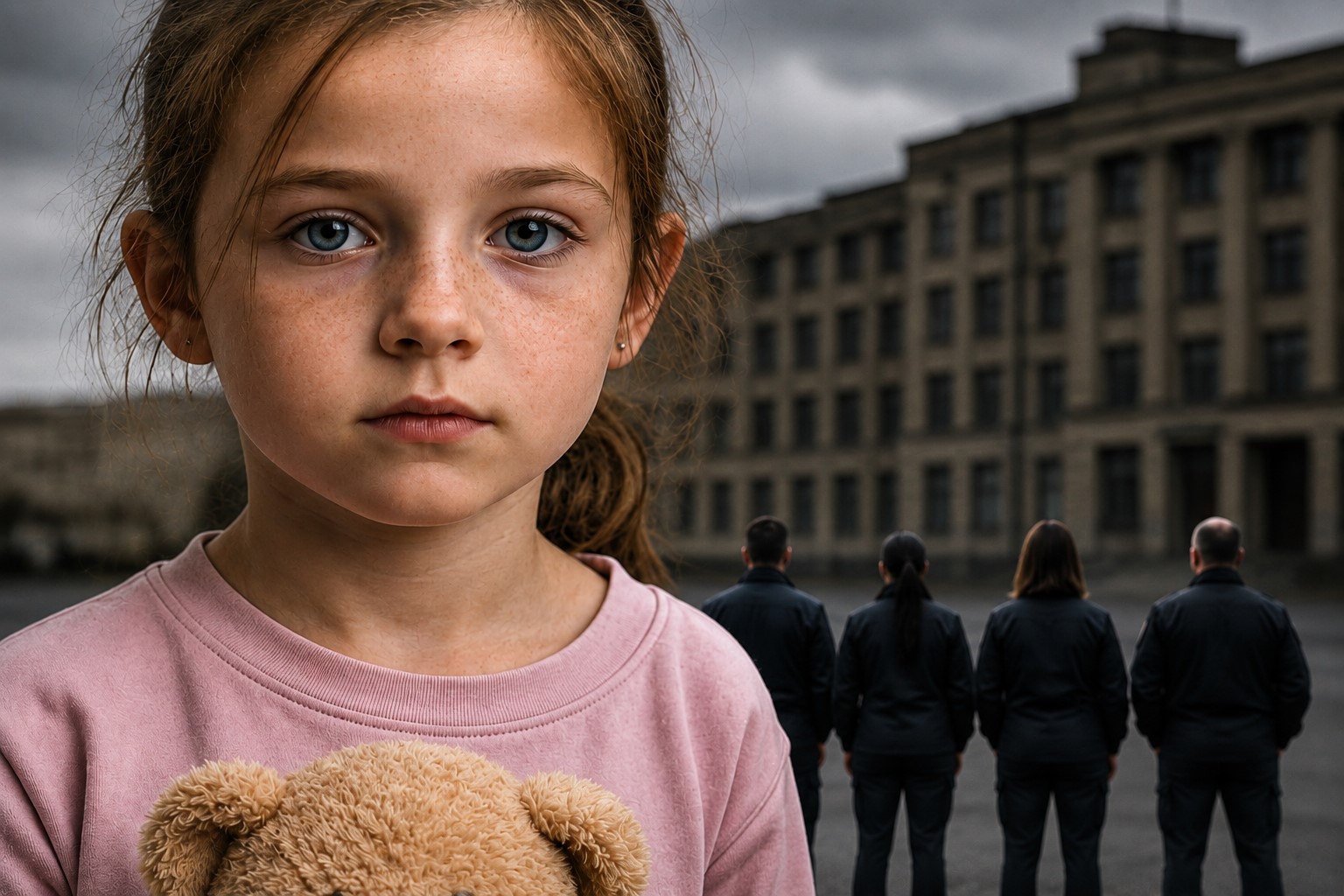
The tragic death of nine-year-old Olivia Rodd has prompted renewed scrutiny of the child protection system after an independent review found that several agencies failed to act effectively despite repeated warning signs.
The report concluded that opportunities to intervene were missed by multiple organizations responsible for safeguarding Olivia's welfare. Poor communication, gaps in information sharing, and delays in responding to concerns were identified as key factors that left the young girl without the protection she needed.
Investigators found that agencies involved in Olivia's case worked in isolation rather than coordinating their efforts. As a result, critical information was not shared promptly, reducing the chances of identifying the level of risk she faced.
The findings have raised serious questions about how child protection services operate and whether existing safeguarding procedures are sufficient to prevent similar tragedies. Child welfare experts say stronger collaboration between schools, healthcare providers, social services, and law enforcement is essential to ensure vulnerable children do not fall through the cracks.
The report also recommends improvements in risk assessments, staff training, and accountability across agencies. Officials are expected to review the recommendations and consider reforms aimed at strengthening child safeguarding systems.
Olivia Rodd's case has reignited calls for urgent action to improve communication between public agencies and ensure that warning signs are acted upon before they escalate into irreversible tragedies.

Comments (0)
Sign in to join the conversation.