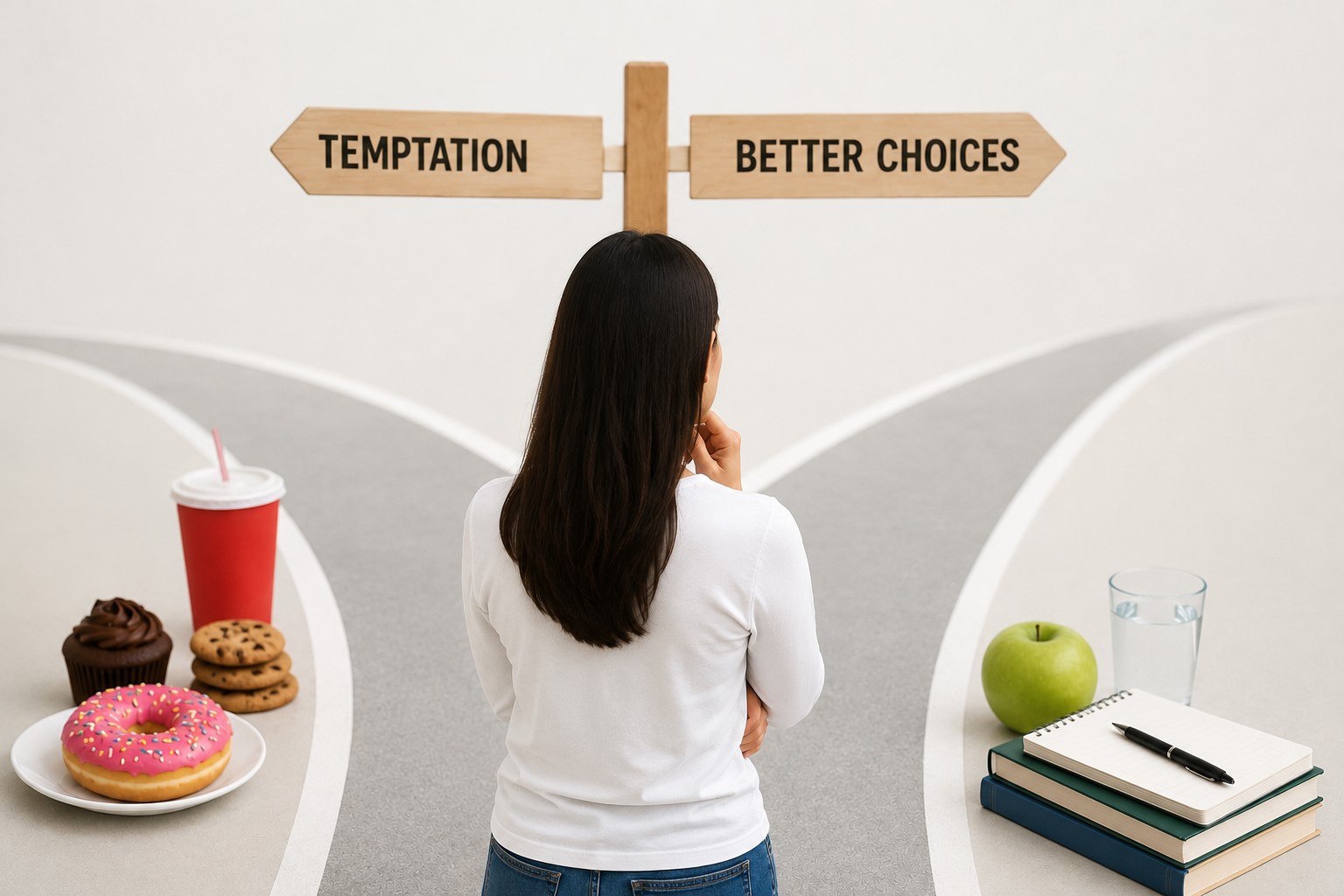
Many people believe self-control is simply a matter of willpower, but psychologists say lasting success often comes from avoiding temptation rather than constantly resisting it.
Recent research suggests that people who appear highly disciplined are more likely to shape their environment, establish healthy routines, and build supportive habits that reduce exposure to distractions. Instead of relying on willpower every time a temptation arises, they make good choices easier from the start.
Experts explain that willpower is the effort used to resist immediate temptations, while self-control is a broader skill involving planning, habit formation, and organizing daily life to minimize difficult decisions.
Michael Inzlicht, a psychology professor at the University of Toronto, says people who intentionally rely on willpower succeed only about half the time. Those who reduce temptations through better planning and routines often achieve their goals with less mental effort.
Researchers also note that people who are naturally organized and conscientious tend to pursue goals that align with their personal interests and values, making healthy behaviors feel less like a sacrifice. Motivation driven by personal enjoyment is often more sustainable than actions taken out of obligation.
Creating an environment that supports positive habits can make a significant difference. Examples include removing distracting apps, using ad blockers, joining study groups, or avoiding situations that trigger unhealthy behaviors. Similar strategies are commonly used in smoking-cessation programs, where avoiding triggers helps reduce the risk of relapse.
Psychologists emphasize that self-control is not just about resisting temptation in the moment. By planning ahead, building routines, and reducing exposure to distractions, people can make healthier choices more consistently and achieve long-term goals with greater ease.



Comments (0)
Sign in to join the conversation.