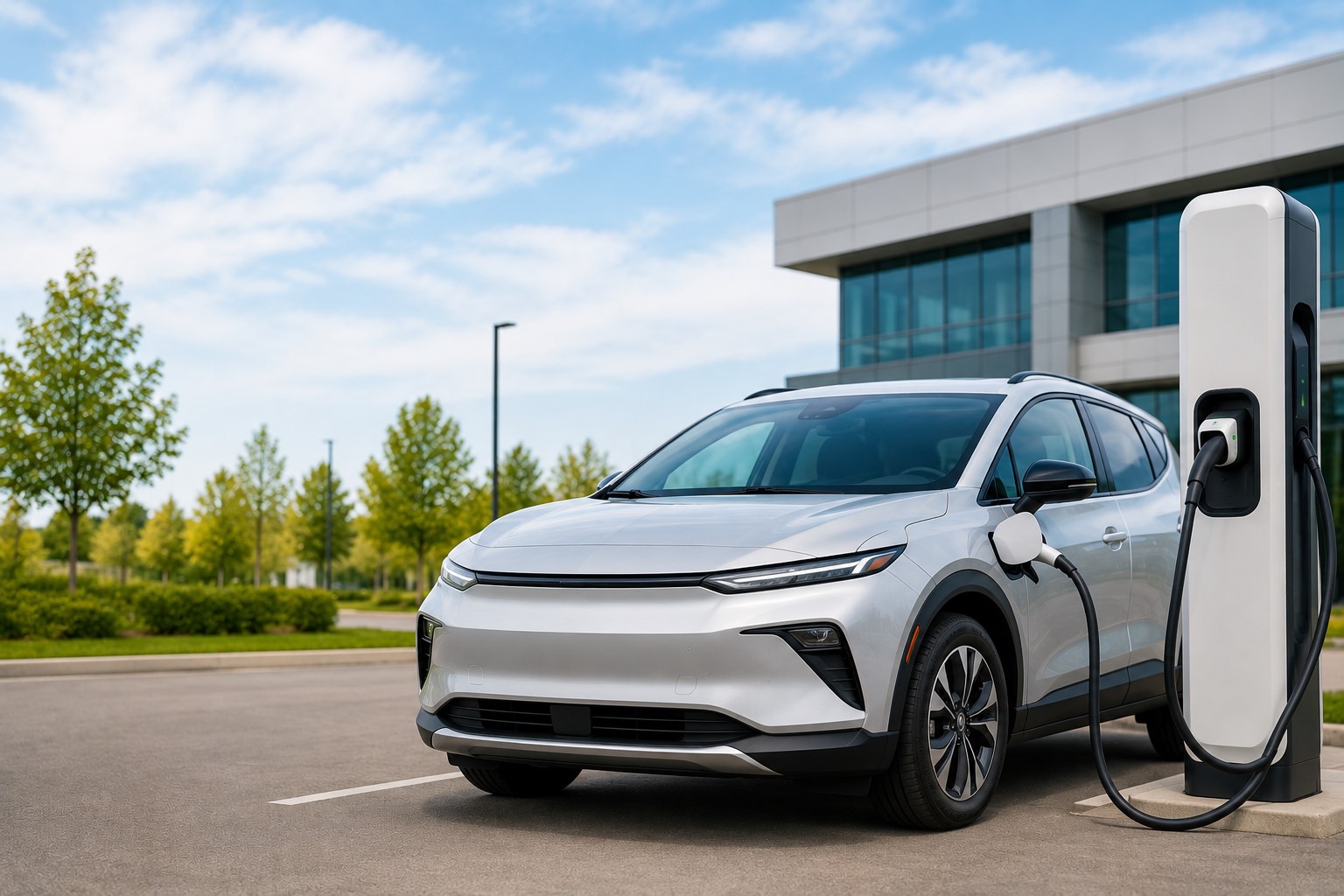
General Motors Canada says the recent rise in electric vehicle (EV) demand has been driven primarily by government incentives rather than increases in gasoline prices, highlighting the important role public policy continues to play in the transition to cleaner transportation.
According to GM Canada, consumer rebates, purchase incentives and other government programs have significantly influenced buying decisions, making electric vehicles more affordable for households and businesses. The company believes these financial incentives remain the strongest factor encouraging Canadians to switch from conventional gasoline-powered vehicles to EVs.
While fluctuations in fuel prices can influence consumer behaviour, GM executives noted that higher gasoline costs have had a comparatively smaller impact on EV sales than targeted incentive programs. Buyers are more likely to consider electric vehicles when upfront purchase costs are reduced through federal and provincial rebates.
The comments come as Canada's automotive industry continues expanding its electric vehicle offerings, supported by government investments in battery manufacturing, charging infrastructure and clean transportation initiatives. Automakers have introduced a growing range of EV models to meet increasing consumer demand and Canada's long-term emissions reduction goals.
Industry analysts say incentive programs have played a key role in accelerating EV adoption, although future demand may depend on whether governments maintain or expand financial support as the market matures. Affordability, charging availability and battery technology remain among the biggest factors influencing purchasing decisions.
GM Canada reaffirmed its commitment to expanding its electric vehicle lineup and supporting Canada's transition toward zero-emission transportation. The company said continued collaboration between governments, automakers and infrastructure providers will be essential to sustaining long-term EV growth across the country.

Comments (0)
Sign in to join the conversation.