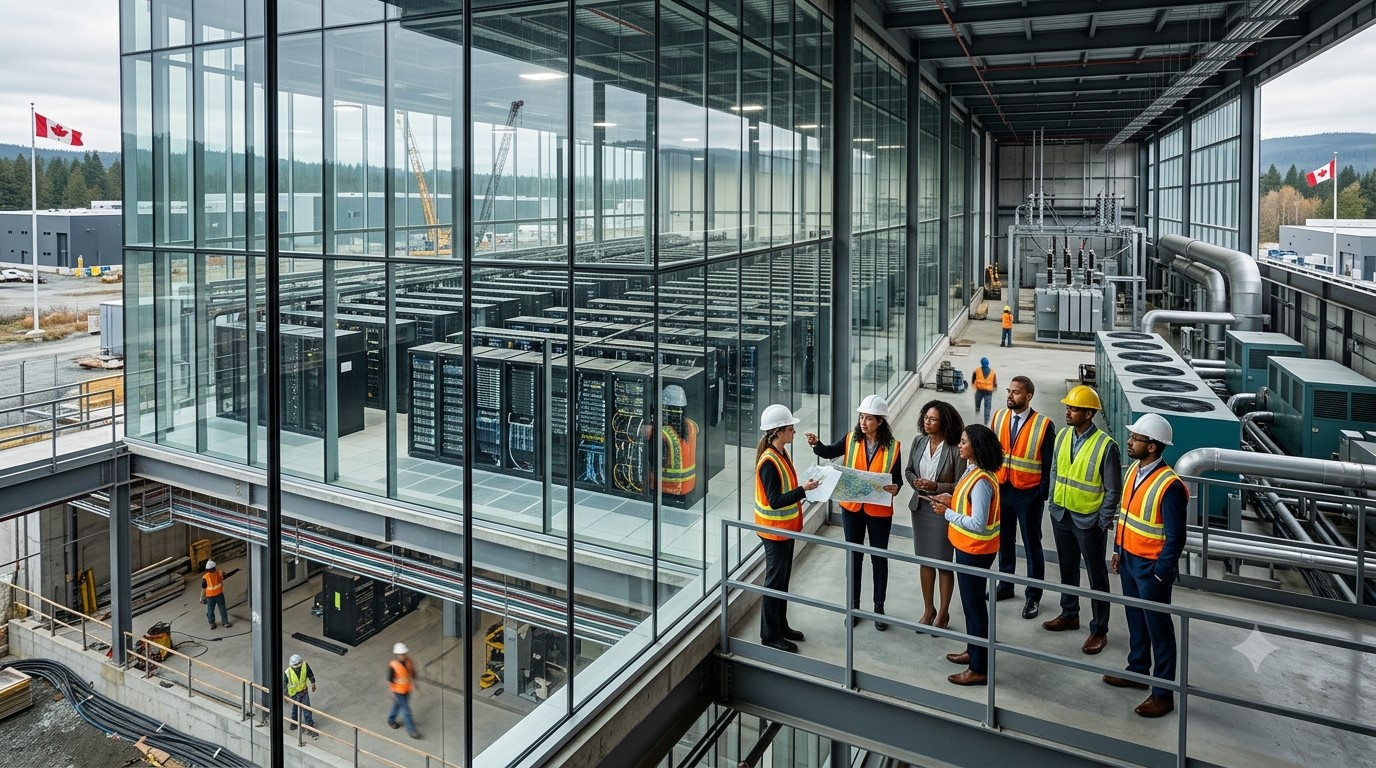
Canada is entering a new phase of its artificial intelligence infrastructure race as governments across the country take different approaches to approving and regulating massive AI data centres.
The rapid expansion of AI-powered data centres is creating new challenges involving electricity demand, environmental impacts, grid reliability and community concerns. Canada’s data-centre market is estimated at nearly C$19 billion and is expected to more than double by 2031.
The federal government has recently introduced Responsible Data Centre Development Principles designed to support domestic AI infrastructure while addressing concerns surrounding the expansion of large computing facilities.
However, provinces and territories are taking different approaches. Some are seeking to attract data-centre investment, while others are imposing tighter conditions or using mixed regulatory models.
The development has become increasingly important to Canada’s digital sovereignty strategy, particularly as Ottawa seeks to expand domestic computing capacity and reduce reliance on foreign infrastructure.
With AI demand accelerating, decisions over where data centres are built, how they are powered and who pays for new infrastructure could become a major technology-policy issue across Canada.



Comments (0)
Sign in to join the conversation.