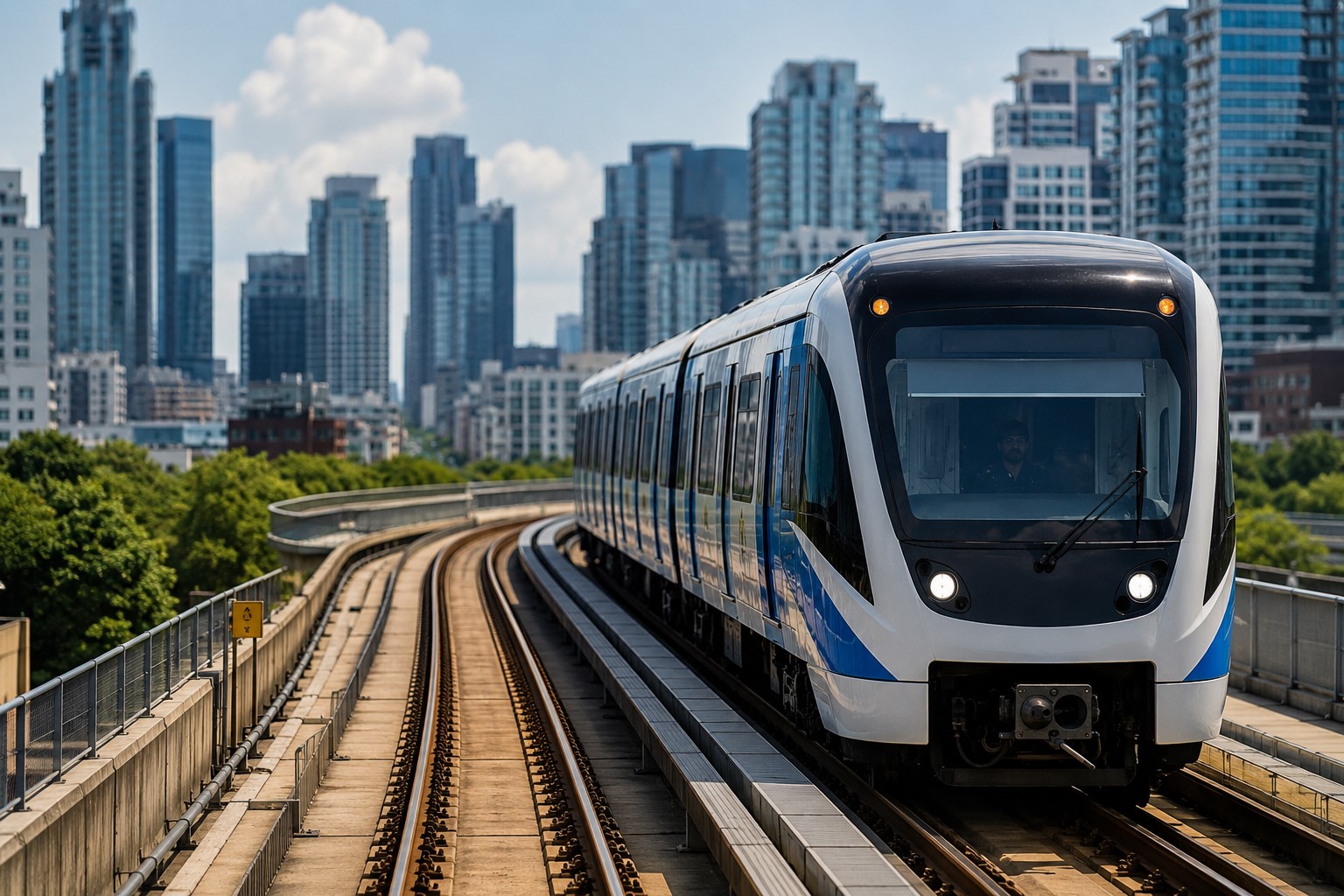
Regional rail expansion is gathering momentum as growing cities bet that better transit is essential to managing population growth, easing road congestion and meeting climate commitments.
Proposed and in-progress projects range from new commuter lines to electrification of existing track and improved frequency. Planners argue that reliable, frequent service is what actually shifts people out of cars, more than any single new line.
Supporters frame transit as enabling denser, more affordable development along corridors, reducing pressure to sprawl outward. That vision depends on coordinating transit investment with housing and land-use policy, which has proven difficult in practice.
The projects are expensive and slow, and cost overruns and delays have eroded public confidence in some places. Advocates counter that the long-term payoff justifies the disruption, pointing to regions where rail investment reshaped growth for the better.
Funding typically requires cooperation across multiple levels of government, an arrangement that can complicate timelines and accountability. Disputes over who pays for what have stalled more than one promising plan.
For commuters enduring worsening congestion, the appeal is straightforward. Whether the ambitious plans are delivered on time and on budget, however, will determine whether transit-led growth becomes reality or remains an aspiration.

Comments (0)
Sign in to join the conversation.