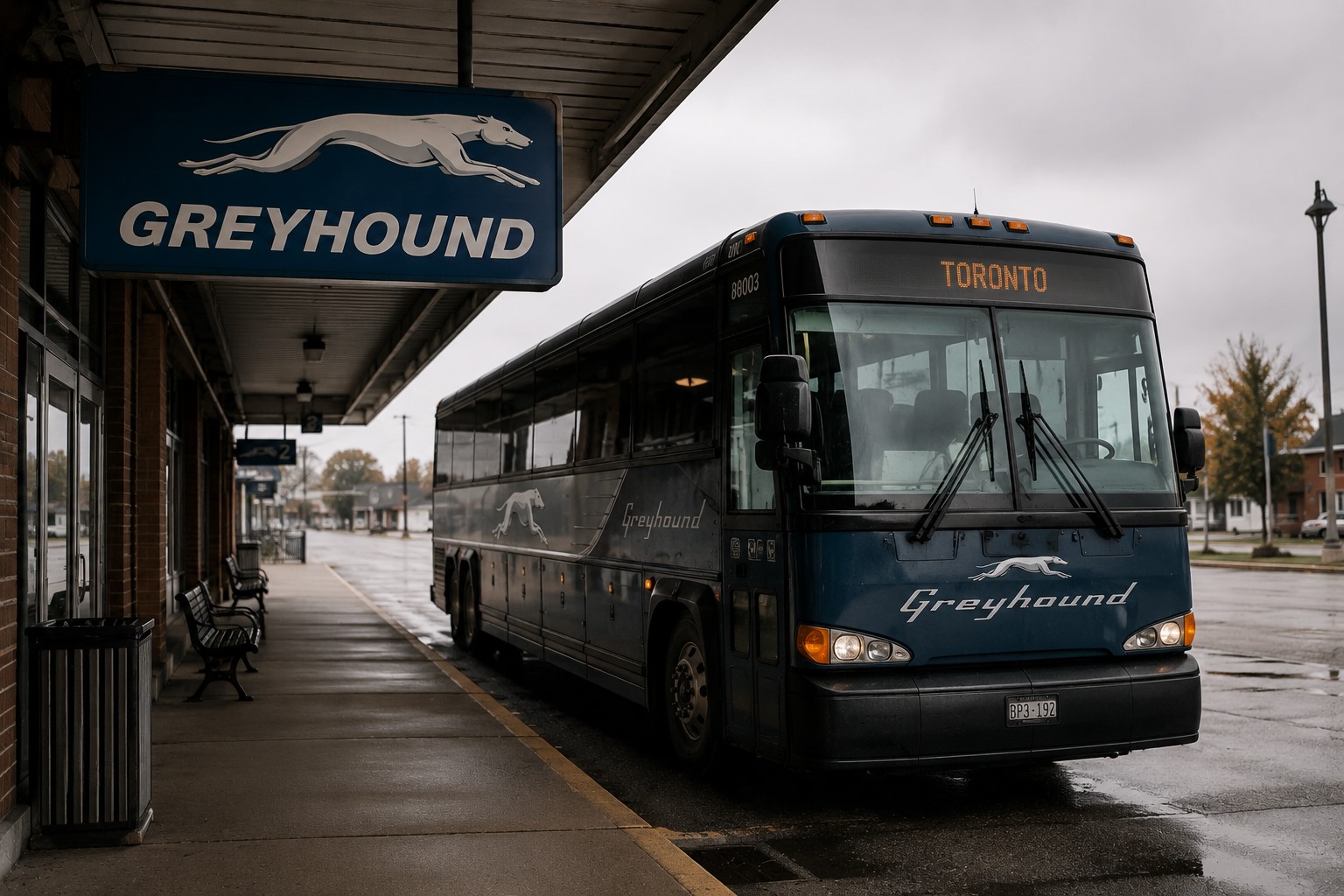
For photographer Ian Willms, Greyhound was never just a mode of transportation. It represented freedom, possibility and survival — a symbol deeply woven into the lives of millions of North Americans who relied on long-distance bus travel to connect communities, pursue opportunities and start over.
Willms’ fascination with Greyhound began in childhood during a family trip to Niagara Falls. Surrounded by rows of gleaming buses arriving from distant cities, he became captivated by the iconic transportation network that would later inspire years of photographic exploration.
As an adult, Willms set out to document Greyhound’s fading legacy. What began as an interest in the architecture of historic bus terminals soon evolved into a deeper project focused on the people who traveled aboard the buses. During a cross-country journey from Buffalo, New York, to Los Angeles in 2013, he encountered passengers whose stories reflected hardship, resilience and hope.
Over the following seven years, Willms spent nearly 1,000 hours riding Greyhound buses across North America. Along the way, he met job seekers, individuals rebuilding their lives after addiction, former inmates returning home and countless others searching for new beginnings. Through conversations and portraits, he documented a side of North America rarely seen in mainstream travel narratives.
For many passengers, Greyhound was more than affordable transportation. It served as a lifeline for people without access to private vehicles, linking rural communities to larger cities and providing a crucial connection to employment, healthcare and family networks.
The importance of that connection became even more apparent after Greyhound ended its western Canadian operations in 2018 and ceased all remaining intercity services in Canada in 2021. The closures left many communities with limited transportation alternatives, particularly in remote and rural regions where public transit options remain scarce.
In the years since Greyhound’s departure, travelers have been forced to rely on a patchwork of transportation solutions, including regional bus operators, rail services and informal ride-sharing arrangements. For many residents without access to a car, mobility has become increasingly difficult and expensive.

Comments (0)
Sign in to join the conversation.