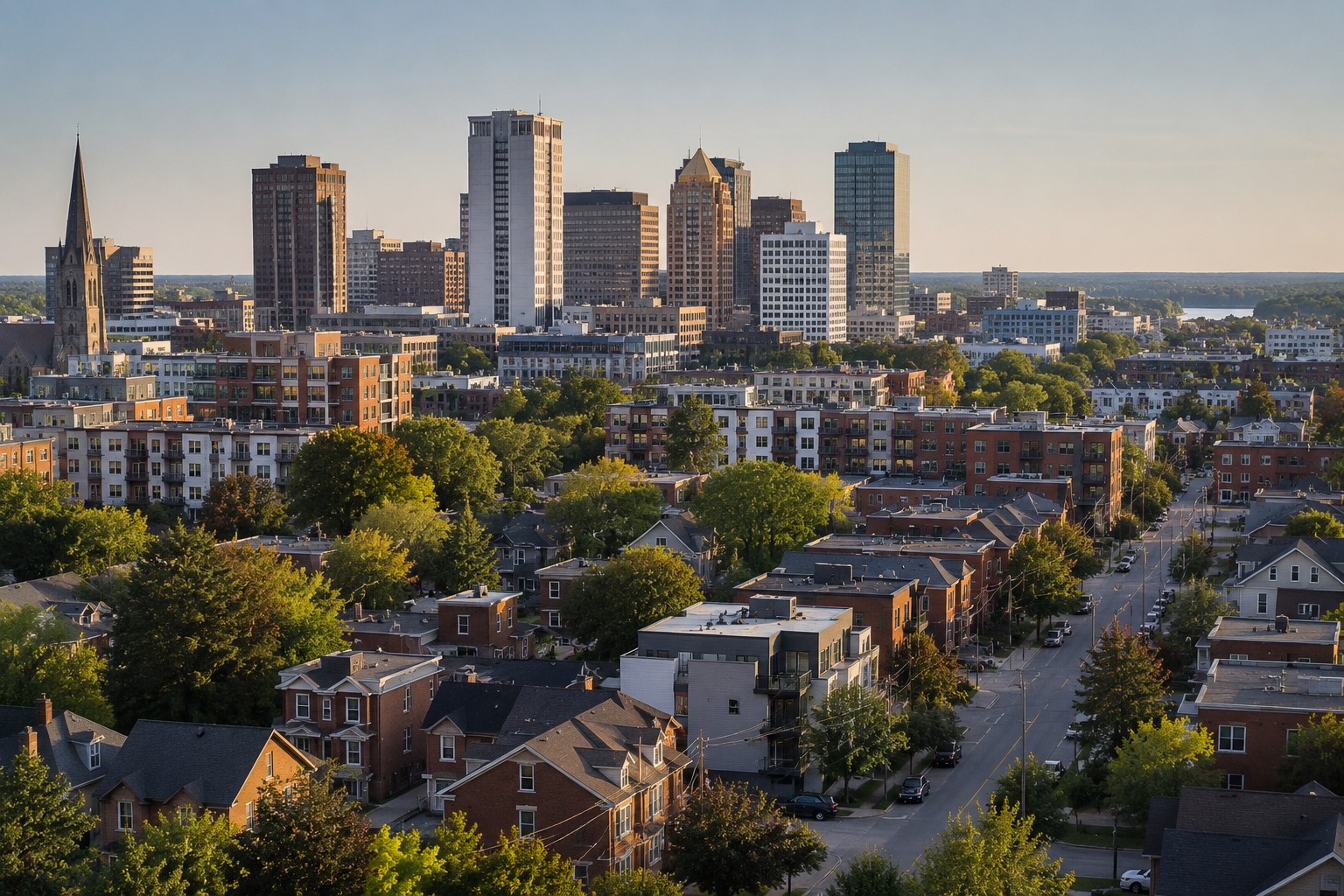
The strain on housing affordability is increasingly visible not in the largest urban centres but in the mid-sized cities that ring them. Buyers priced out of the biggest markets are looking outward, and the ripple effects are now reshaping communities that were, until recently, comparatively affordable.
Real-estate boards in several mid-sized markets reported double-digit increases in transaction volume over the past year, with price growth following closely behind. The shift has been driven partly by remote and hybrid work, which loosened the tie between where people live and where they are employed.
Local renters have felt the squeeze most acutely. As purchase demand pushes prices up, rental availability tightens and existing tenants face steeper renewals. Housing advocates warn that communities without a strong pipeline of new construction risk importing the very affordability crisis residents had hoped to escape.
Municipal officials are responding unevenly. Some have moved to accelerate permitting and allow denser construction near transit corridors; others remain constrained by infrastructure limits, particularly water and sewage capacity that was never designed for rapid growth.
Economists note that the migration of demand can ease pressure on the largest markets only marginally, while creating new bottlenecks elsewhere. The underlying problem, they argue, remains a national shortfall in housing supply relative to population growth.
For now, the trend shows little sign of reversing. As long as the affordability gap between the largest cities and their neighbours persists, the outward push is likely to continue redrawing the country's residential map.


Comments (0)
Sign in to join the conversation.