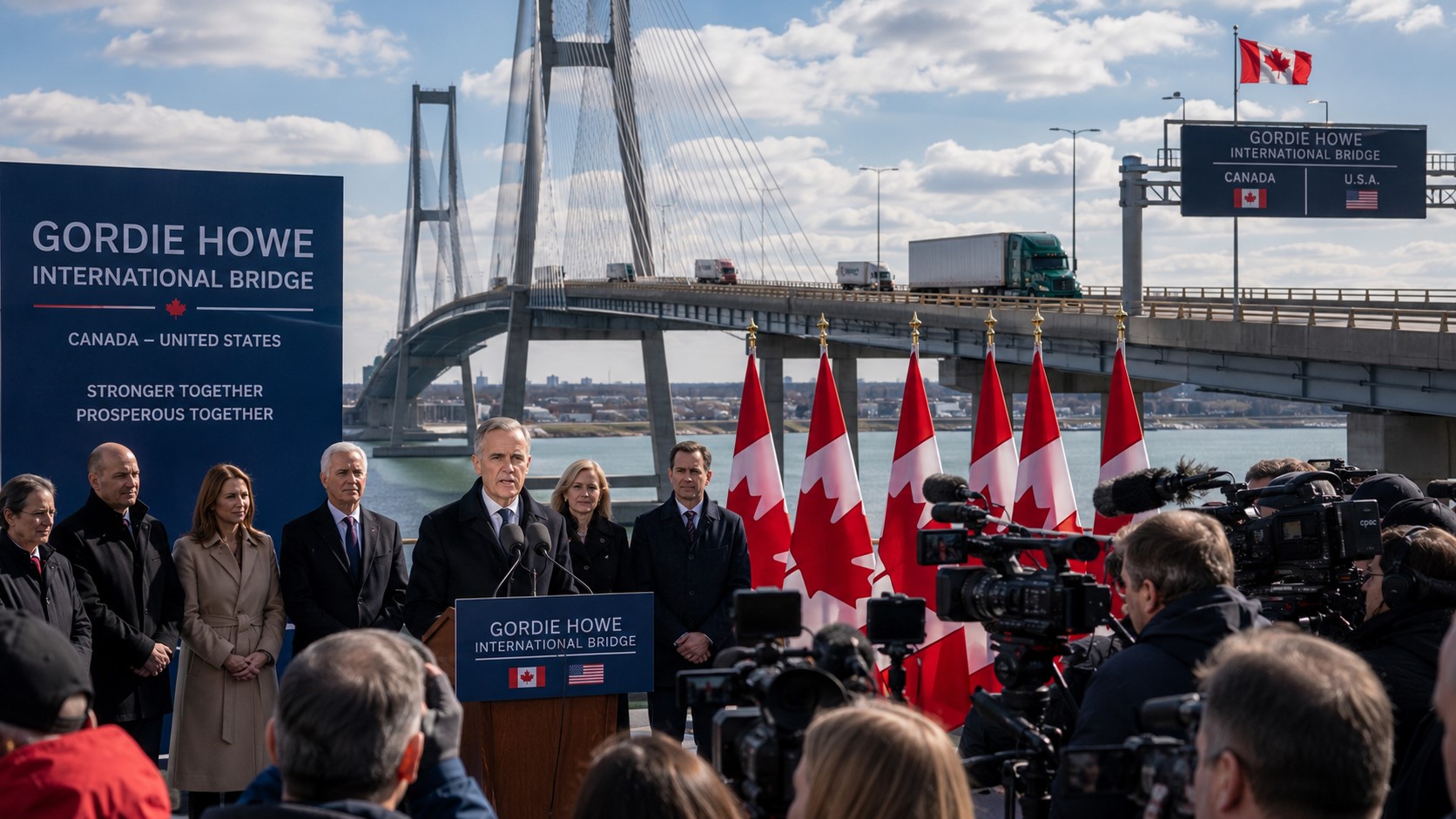
The opening of the Gordie Howe International Bridge has become a major political issue in Canada after questions emerged over a new agreement governing future toll revenues from the Windsor-Detroit crossing.
Canadian officials held a Canada-only opening ceremony in Windsor on July 24, while the bridge is scheduled to open to traffic on July 27. A planned joint ceremony with U.S. officials was cancelled following renewed trade tensions and President Donald Trump's threat of new tariffs on Canadian goods.
The revenue-sharing arrangement has also attracted political attention. Under the proposed agreement, Canada would make economic participation payments linked to 50% of net bridge and crossing-related revenues for the first 15 fiscal years, with payments going to a U.S.-Canada economic development fund controlled by the U.S. government.
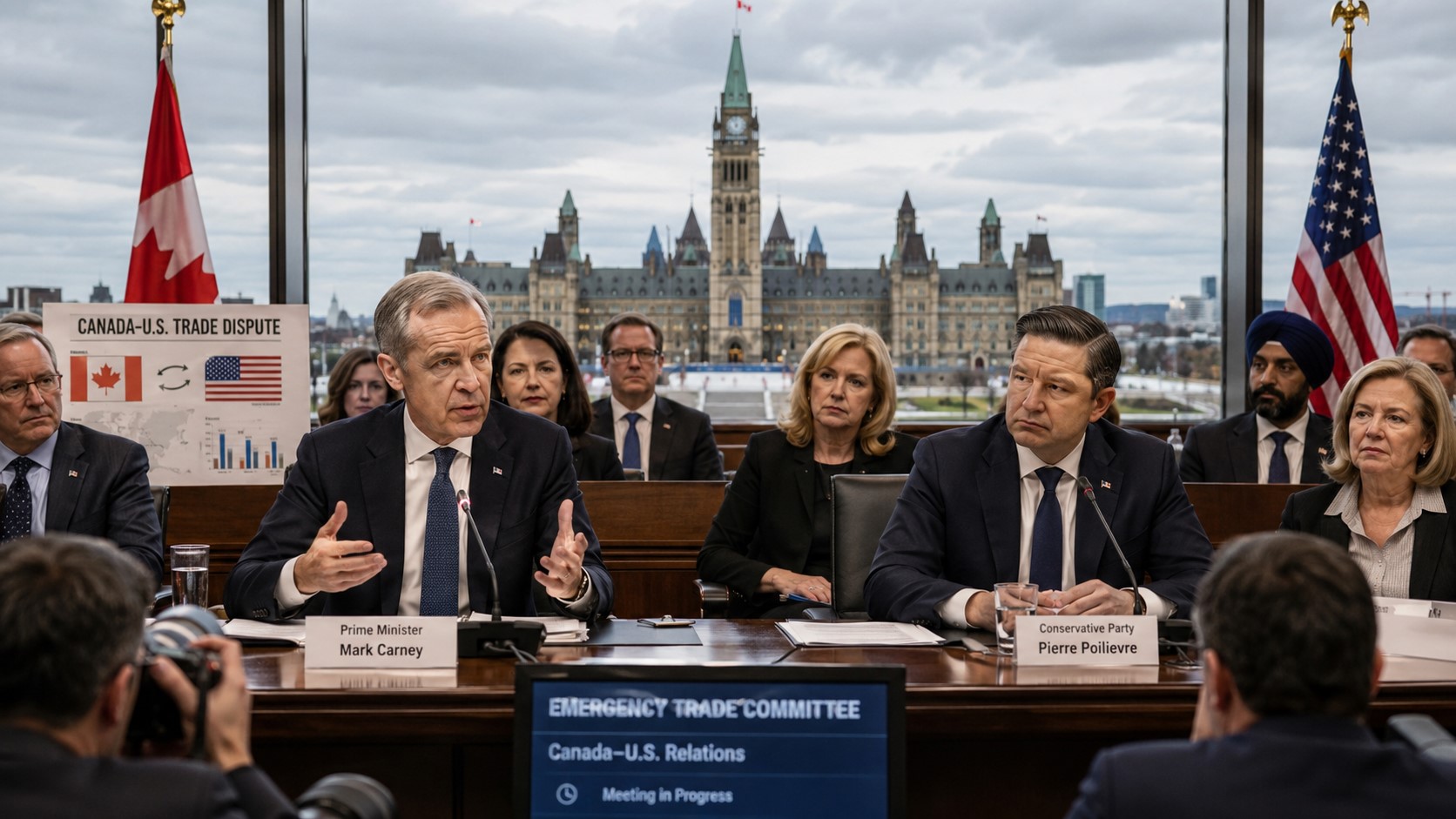
Prime Minister Mark Carney has acknowledged that he could have been clearer when previously describing the arrangement. Opposition politicians have questioned Ottawa's handling of the agreement, while the government maintains that the bridge remains a strategically important investment for Canada's trade infrastructure.
The political controversy comes just before the bridge begins operations. The new crossing is expected to provide an additional route between Windsor and Detroit, strengthening one of North America's most important commercial corridors while potentially easing pressure on existing border infrastructure.
For Ottawa, the bridge now represents more than a major infrastructure project. Its opening is taking place against the backdrop of Canada-U.S. trade tensions, tariff threats and political debate over Canada's economic relationship with Washington.

Comments (0)
Sign in to join the conversation.