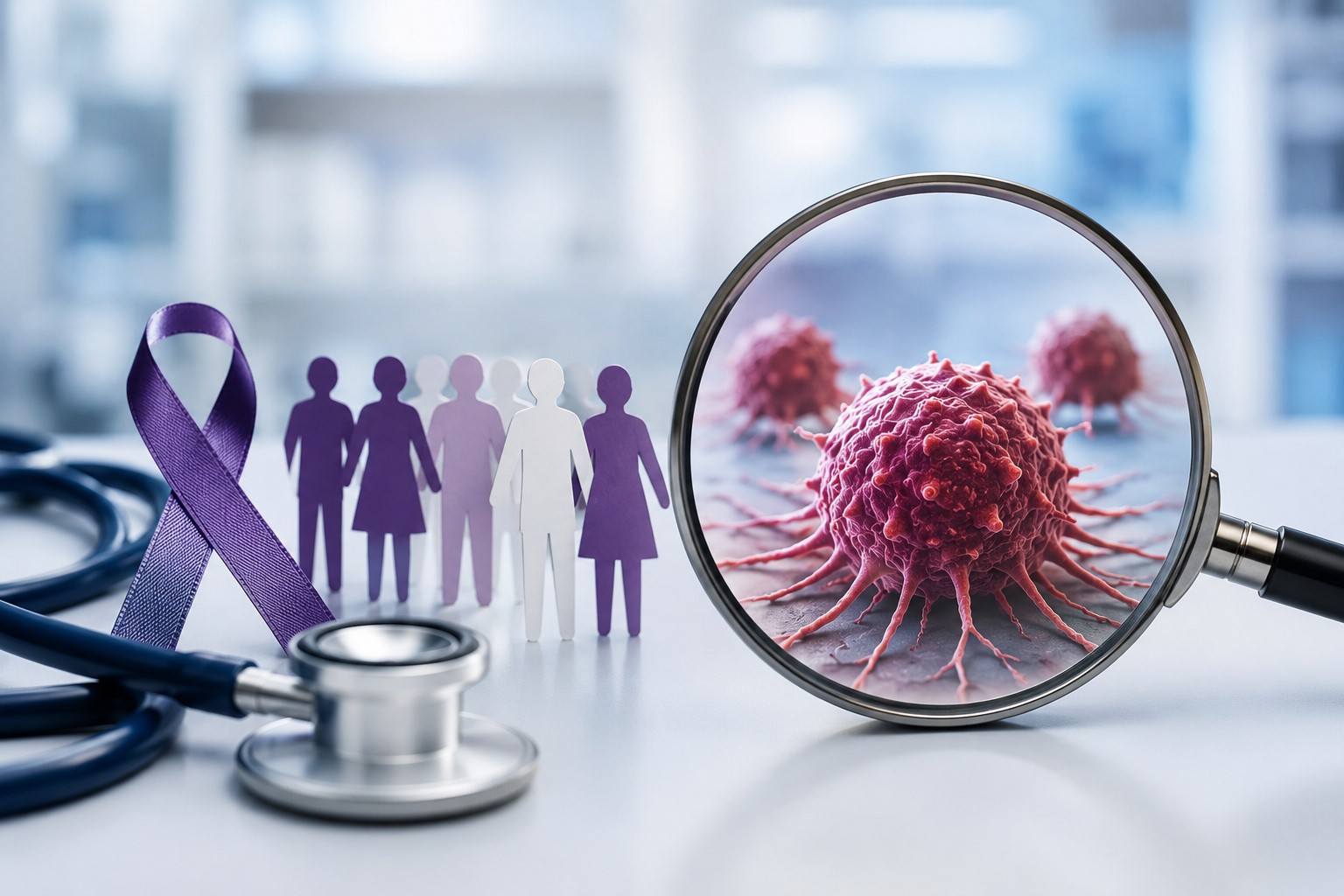
A new report from the World Health Organization (WHO) has warned that the number of people diagnosed with cancer each year is expected to increase dramatically over the next 25 years, placing growing pressure on healthcare systems across the globe.
According to the report, annual cancer diagnoses are projected to rise from around 20 million cases today to nearly 35 million by 2050. Health experts attribute the increase to aging populations, population growth, rising obesity rates, and continued exposure to preventable cancer risk factors.
Medical specialists say the findings highlight the urgent need for governments to strengthen cancer prevention programs, expand screening services, and prepare healthcare systems for a significant rise in demand.
Experts Warn of a Growing Cancer Burden
Dr. Peter Stotland, Chief of Surgery and Surgical Oncologist at North York General Hospital, said the projected increase reflects trends already being observed in Canada.
He noted that hospitals are seeing more cancer patients each year, largely driven by an aging population, which is expected to contribute to higher rates of lung, prostate, and colorectal cancers.
At the same time, doctors are increasingly diagnosing colorectal cancer in younger adults, creating additional challenges for healthcare providers. Experts warn that rising cases among both older and younger populations could place unprecedented strain on medical services in the coming decades.
Healthcare Systems Face Rising Demand
The WHO's International Agency for Research on Cancer (IARC) said cancer cases are expected to rise worldwide, although the reasons will differ across regions.
In higher-income countries, much of the increase is expected to occur among older adults as life expectancy continues to improve. Experts caution that healthcare systems may struggle to keep pace without significant investments in cancer care infrastructure and workforce expansion.
The report also highlights the broader impact of cancer beyond those diagnosed. Researchers estimate that while approximately 20 million people develop cancer annually, the disease affects nearly 92 percent of the global population through family members, caregivers, or close friends.
Survivors Face Long-Term Challenges
Cancer survivors often continue to experience long-term physical and emotional effects even after successful treatment. Many require ongoing medical care to manage treatment-related complications, underscoring the lasting impact of the disease on patients and their families.
Prevention Could Reduce Millions of Cases
Despite the concerning projections, the WHO says a substantial number of future cancer cases could be prevented.
The organization estimates that around 40 percent of cancers are linked to modifiable risk factors, including tobacco use, obesity, excessive alcohol consumption, physical inactivity, and certain infections.
Health experts encourage people to adopt healthier lifestyles and participate in recommended cancer screening programs, including screenings for breast, cervical, and colorectal cancers. Early detection remains one of the most effective ways to improve survival rates and reduce the burden of the disease.
Governments Urged to Prepare Now
Specialists say governments should begin planning immediately to meet the expected rise in cancer cases by expanding healthcare capacity, investing in prevention initiatives, and ensuring timely access to diagnosis and treatment.
While advances in medicine continue to improve survival rates, experts warn that demographic changes alone will result in millions more people requiring cancer care in the decades ahead, making long-term healthcare planning increasingly important.


Comments (0)
Sign in to join the conversation.