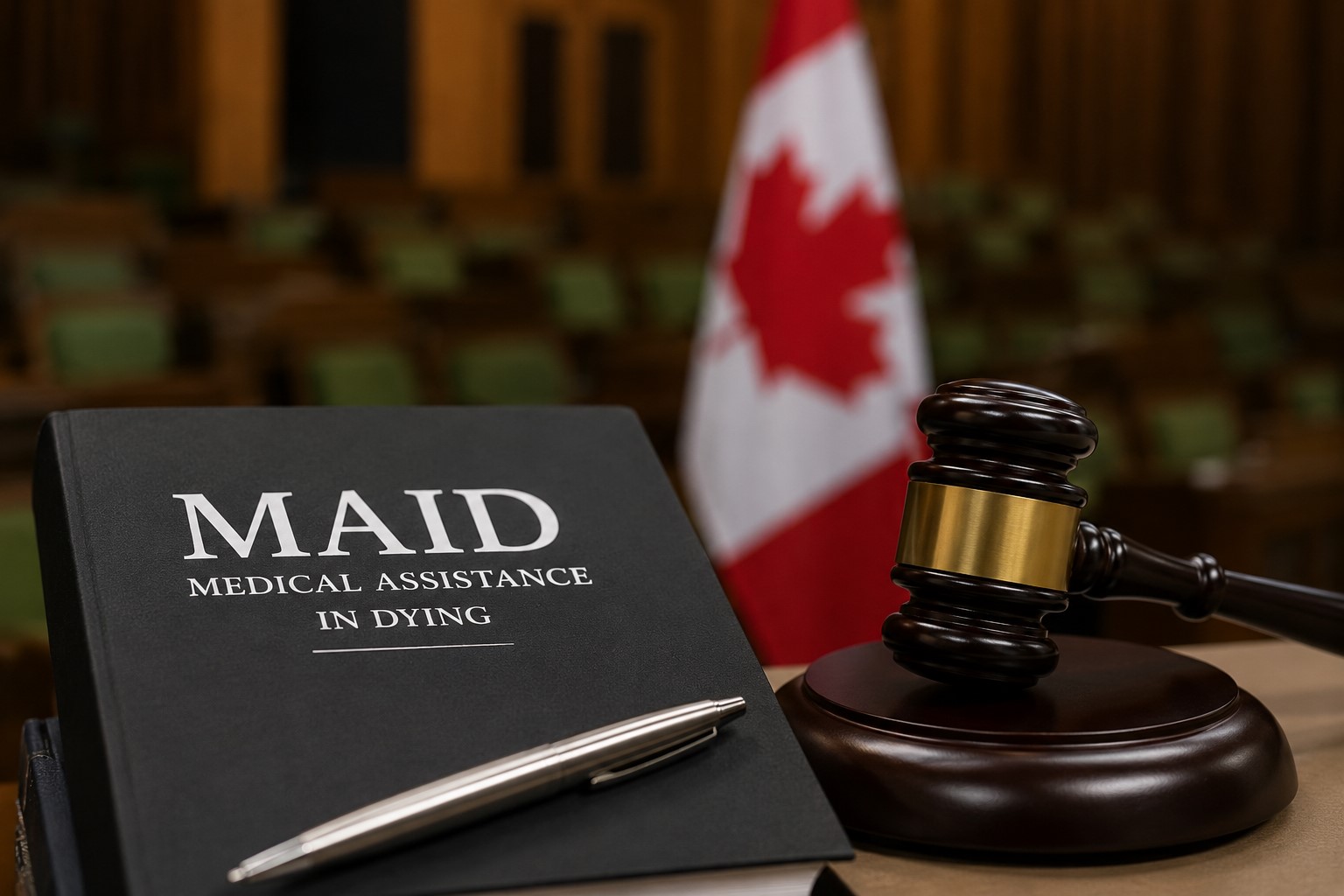
A parliamentary committee reviewing Canada's Medical Assistance in Dying (MAID) framework is expected to recommend against expanding eligibility to individuals whose sole underlying medical condition is mental illness, according to sources familiar with the discussions.
The anticipated recommendation comes amid ongoing debate over whether Canada's assisted-dying laws should include people suffering exclusively from mental disorders. Critics have raised concerns about the difficulty of determining whether a mental illness is truly irremediable, as well as the potential risks facing vulnerable individuals.
Supporters of expanding eligibility argue that people experiencing severe, treatment-resistant mental illness should have the same rights as those suffering from physical conditions. They contend that excluding mental illness from MAID access may create unequal treatment under the law.
However, many medical professionals, mental health advocates, and lawmakers have urged caution. Concerns have focused on the availability of mental health services, the complexity of psychiatric diagnoses, and the challenges of assessing long-term prognosis.
The committee's expected position reflects a growing consensus among some policymakers that additional safeguards and further study may be necessary before any expansion takes place. If adopted, the recommendation could influence future government decisions regarding MAID legislation and eligibility criteria.
Canada has repeatedly delayed plans to extend MAID access to individuals whose sole medical condition is mental illness, citing concerns from healthcare experts, provincial governments, and advocacy groups.
The committee's final report is expected to provide guidance on how lawmakers should balance patient autonomy with protections for vulnerable Canadians as the debate over assisted dying continues.



Comments (0)
Sign in to join the conversation.