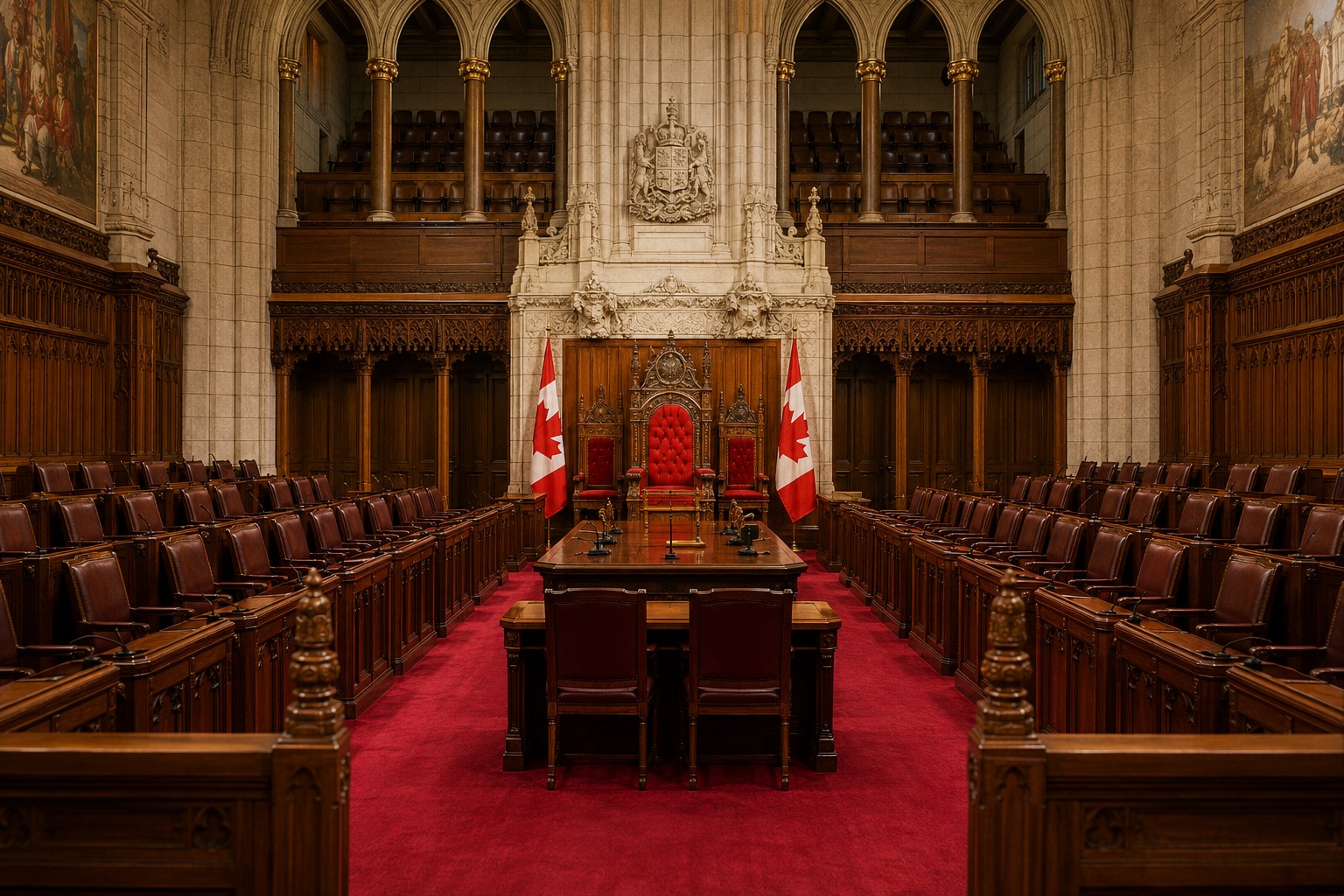
Prime Minister Mark Carney has officially ended the Trudeau government's policy of prioritizing non-partisan Senate appointments, announcing four new senators in what marks the first appointments of his premiership. The move represents a significant shift in Canada's approach to selecting members of the Upper Chamber, with Carney arguing that experienced political figures can strengthen the Senate's ability to address today's legislative and policy challenges.
Among those appointed are Tom Pitfield, Carney's former principal secretary and a longtime Liberal strategist, and Richard Martel, a Conservative Member of Parliament from Quebec. Also joining the Senate are Dr. Rodney Ouellette of New Brunswick and Manitoba business executive Geeta Tucker. All four will sit as independent senators despite their varied political backgrounds.
Carney said he is removing "non-partisanship" as a formal requirement for Senate appointments, a guideline introduced by former Prime Minister Justin Trudeau after reforms aimed at reducing political influence in the chamber. Instead, Carney said future appointments will place greater emphasis on candidates with expertise in areas such as strategic industries, regulatory reform, emerging technologies and broader social and economic issues. He added that the independent advisory board for Senate appointments will continue recommending qualified candidates while reflecting the government's evolving priorities.
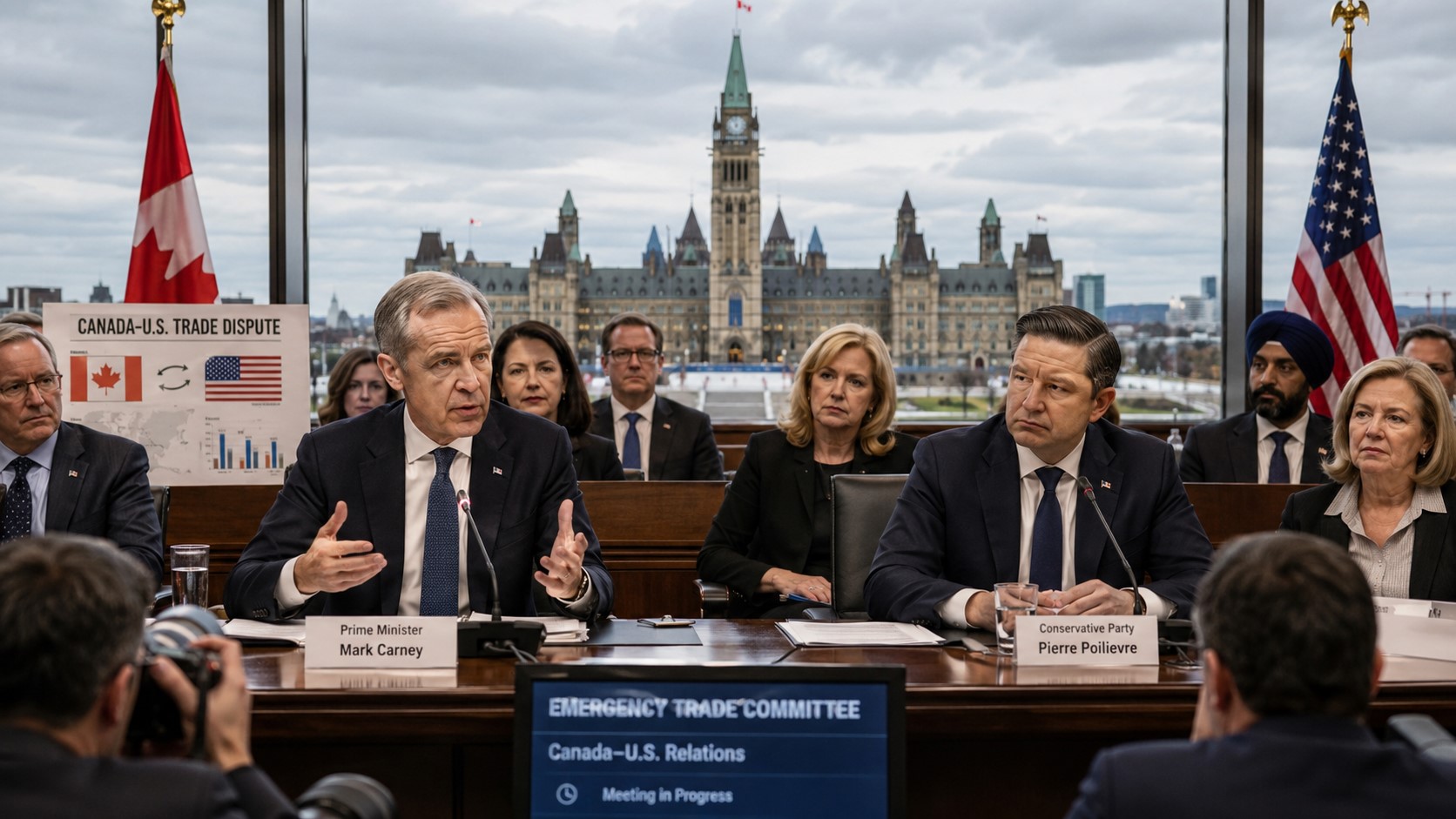
The appointment of Richard Martel is expected to have political consequences beyond the Senate. His departure from the House of Commons reduces the Conservative caucus by one member and creates a by-election opportunity in his Quebec riding. The move also increases pressure on Conservative Leader Pierre Poilievre, whose party has lost several MPs over the past year through resignations and defections.
Political observers also view the appointment of Tom Pitfield as a notable departure from Trudeau's efforts to distance the Liberal Party from the Senate. Pitfield has played a central role in Liberal election campaigns and most recently served as Carney's principal secretary, overseeing political strategy and contributing to the government's artificial intelligence policy agenda.
Following the latest appointments, six Senate vacancies remain, with several more expected before the end of the year. Government sources suggest the revised appointment process is intended to create a Senate that is better equipped to support legislative work while avoiding delays that have sometimes resulted from the chamber's increasingly independent composition.
The changes signal a new direction for the Senate under Carney's leadership, balancing independent representation with greater emphasis on political and policy experience as the government advances its legislative agenda.
Comments (0)
Sign in to join the conversation.